Harnessing the Power of the Sun
Electrical & Solar solutions for a cleaner, More Sustainable Future
Whether you’re a homeowner, business, or community, Live Free Energy is here to help you make the switch to solar energy with personalized service, cutting-edge technology, and a commitment to long-term savings. Join the renewable energy revolution and start living free today!

Reduce Your Energy Costs
Lower Your Carbon Footprint
Control Your Energy Needs
Types of Solar Installations
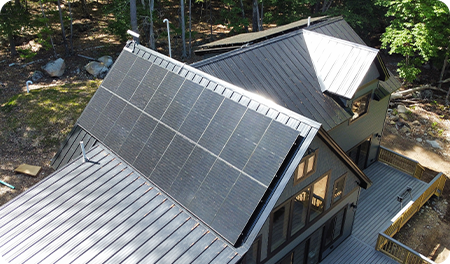
Grid Tied Solar
Connecting your solar array to the grid is a fantastic way to offset your monthly energy bills. The solar panels, combined with an inverter will back feed the electrical grid during the day while the sun is out and power your home. The system is sized to your specific energy needs and considers the roof pitch, azimuth (degrees from south), and any shading from trees.
With Battery
Your solar system that back feeds the grid is capable of utilizing energy storage in the form of batteries to power your home during a grid outage. This form of clean energy instantly and reliably powers the essential load in your home through the night. It then uses the solar power the next day to recharge the batteries and run your home! When sized properly, you can go many days without grid power.
Off-Grid Solar
Off-grid solar systems provide electricity to locations without access to the traditional power grid, such as remote homes, cabins, RVs, and boats. By capturing sunlight with solar panels and storing the energy in batteries, these systems ensure power is available even at night or on cloudy days.
Choosing an off-grid solar system is a step toward energy independence and reducing reliance on fossil fuels. However, it requires careful planning, a significant upfront investment, and regular maintenance to meet your energy needs effectively. Whether you’re powering a small cabin, a large home, or an entire off-grid community, these systems offer a sustainable and reliable energy solution.
Key Components of an off-grid systems
-
Solar Panels:
- Function: Solar panels (also called photovoltaic or PV panels) are the main component that captures sunlight and converts it into DC (direct current) electricity.
- Types: There are several types of solar panels, such as monocrystalline, polycrystalline, and thin-film, with monocrystalline being the most efficient and commonly used for off-grid systems.
- Size & Efficiency: The number of panels you need depends on your energy consumption, the amount of sunlight your location receives, and the size of your battery storage.
-
Charge Controller:
- Function: A charge controller is an essential part of the system that regulates the voltage and current coming from the solar panels to charge the batteries safely. It ensures the batteries are not overcharged or damaged.
- Types: There are two main types of controllers—PWM (Pulse Width Modulation) and MPPT (Maximum Power Point Tracking). MPPT controllers are more efficient and are often used in off-grid systems.
-
Batteries:
- Function: Batteries store the electricity generated by the solar panels so that you can use it when the sun isn’t shining (such as at night or on cloudy days). This is a crucial part of off-grid solar systems because they ensure a continuous power supply.
- Types: Common battery types for off-grid systems include:
- Lead-acid: These are traditional, lower-cost batteries, but they have a shorter lifespan and lower efficiency compared to newer technologies.
- Lithium-ion: These are more efficient, last longer, and take up less space than lead-acid batteries, but they come with a higher upfront cost.
- Saltwater: An emerging alternative with fewer environmental concerns, though not as widely available.
- Sizing: The size of the battery bank depends on your energy usage and how many days you want to be able to run on battery power alone. Typically, you’d size the battery to cover 2–3 days of energy needs in case of cloudy weather or other interruptions.
-
Inverter:
- Function: The inverter is responsible for converting the DC electricity stored in the batteries into AC (alternating current) electricity, which is what most household appliances use.
- Types: There are two main types of inverters—pure sine wave and modified sine wave. Pure sine wave inverters are more efficient and suitable for sensitive electronics, while modified sine wave inverters are cheaper but may not be suitable for all appliances.
-
Electrical System:
- Wiring: The wiring connects all the components (solar panels, charge controller, batteries, inverter, and load) and allows the system to function as a cohesive unit.
- Safety: Off-grid systems often include fuses, breakers, and disconnects to ensure the system operates safely and can be shut down if necessary for maintenance.
How an off-Grid Solar System Works
- Solar Panels Generate Power: During the day, the solar panels generate DC electricity from sunlight.
- Charge Controller Regulates Charging: The charge controller ensures the right amount of energy is sent to the batteries without overcharging them.
- Batteries Store Energy: The stored energy in the batteries can be used later when there’s no sunlight (i.e., at night or on cloudy days).
- Inverter Converts DC to AC: When energy is needed for your appliances, the inverter converts the DC power stored in the batteries into AC power, which can be used for lights, appliances, etc.
- Energy Use: Any energy you don’t use immediately is stored back in the batteries for later use.
Advantages of Off-Grid Systems
- Independence from the Grid: Off-grid systems provide full energy independence, which is ideal forremote locations or people looking to be less reliant on utility
- Renewable Energy: Solar power is clean and renewable, meaning off-grid solar systems can greatly reduce your carbon footprint.
- Cost Savings: While the initial setup can be expensive, over time, an off-grid system can save you money by eliminating electricity bills.
- Resilience: Off-grid systems can be more resilient in areas prone to grid instability or outages, ensuring a constant power supply.
How to Size an off-grid solar systems
To determine how large a system you need, you’ll need to assess your energy consumption:
- Daily Energy Usage: Calculate how much electricity your home uses in a typical day (in watt-hours). This can be done by checking the wattage of your appliances and how many hours each is used daily.
- Panel Capacity: Based on your daily energy use and the amount of sunlight you receive (measured in peak sun hours), you can determine how many solar panels you need.
- Battery Storage: Determine how much battery storage you need to cover your energy needs during periodsof low Typically, you’d size your battery to last 2-3 days.
Backup Options
Many off-grid systems also include a backup generator that can charge the batteries or provide power duringextended cloudy periods or heavy energy demand. This is especially important in areas with inconsistent sunlight.
Off-Grid in Action
Solar Trailer Kits & Installations
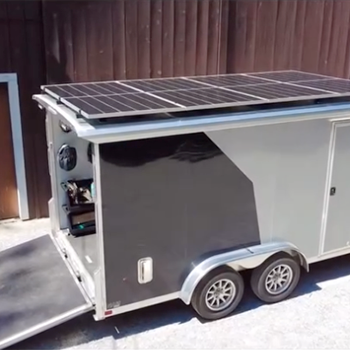
Solar Trailer
Harness clean, renewable energy anywhere with our custom solar panel installation for trailers and campers. Perfect for off grid living, remote work sites, and mobile adventures.
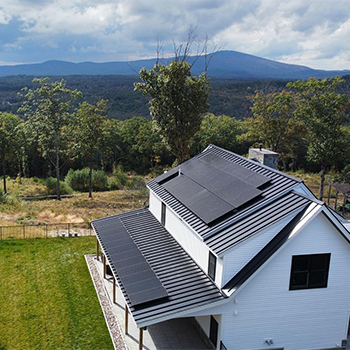
Off Grid Home
With our help, you can power your luxury home, camp, or existing home completely off grid with high-efficiency panels and cutting-edge battery solutions. We ensure seamless, reliable energy for even the most demanding lifestyles.
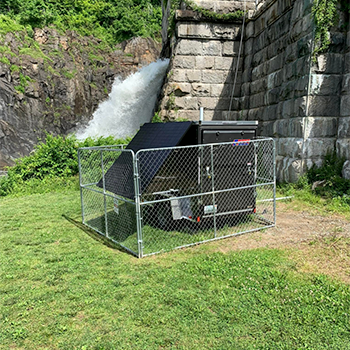
Specialty Projects
This custom built trailer is used in extremely remote areas to power systems to keep our rivers free from invasive species.
Battery Technology
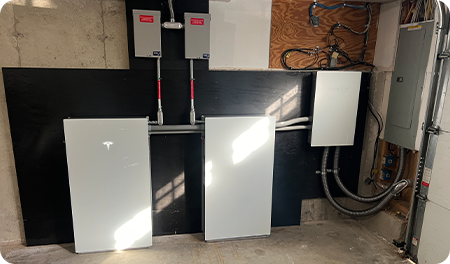
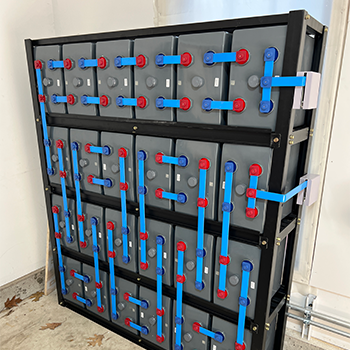
We have experience with many different types and brands of battery technology. Pictured is a 48kWh Lead-Carbon battery bank. We know that one size does not fit all! Our designers can customize a system to your exact needs!
Solar Mounting Options
Roof
Mount
Ground
Mount
Pole
Mount
Trackers
Roof
Mount
Ground
Mount
Pole
Mount
Trackers
Home Generator Installation
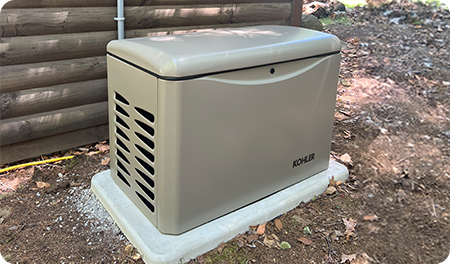
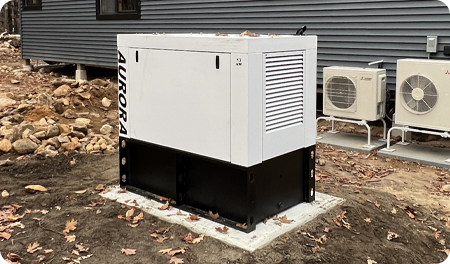
If your home or business is not well suited for solar, Live Free Energy can install a standby generator to ensure you will have power during an outage.
Home Electrical Service Upgrade
You may be required to upgrade your home’s electrical service from 100 amps to 200 amps as part of a solar or generator installation. Live Free Energy can provide an affordable upgrade as part of a project.
About Us
Local Expertise,
Personalized Service
Choosing a small business for your solar installation means more than just quality craftsmanship—it means working with a team that genuinely cares. Unlike large, impersonal corporations, Live Free Energy takes the time to understand your specific energy needs, provide expert recommendations, and ensure every detail of your installation is handled with precision and care.
Based out of Goffstown, NH, Live Free Energy offers flexible scheduling, fast response times, and competitive pricing, making the switch to solar simple and stress-free. Plus, when you choose Live Free Energy, you’re not just investing in renewable energy—you’re supporting a local business that’s committed to your community’s future.
How can we help?
Start Living free today
Experience the difference of working with a team that’s dedicated to your success. Let’s build a brighter, more sustainable future together!
603-785-7282
Adam@Livefree.energy